
130 W 37th St. NYC | 212-294-5974 | admin@vps.nyc
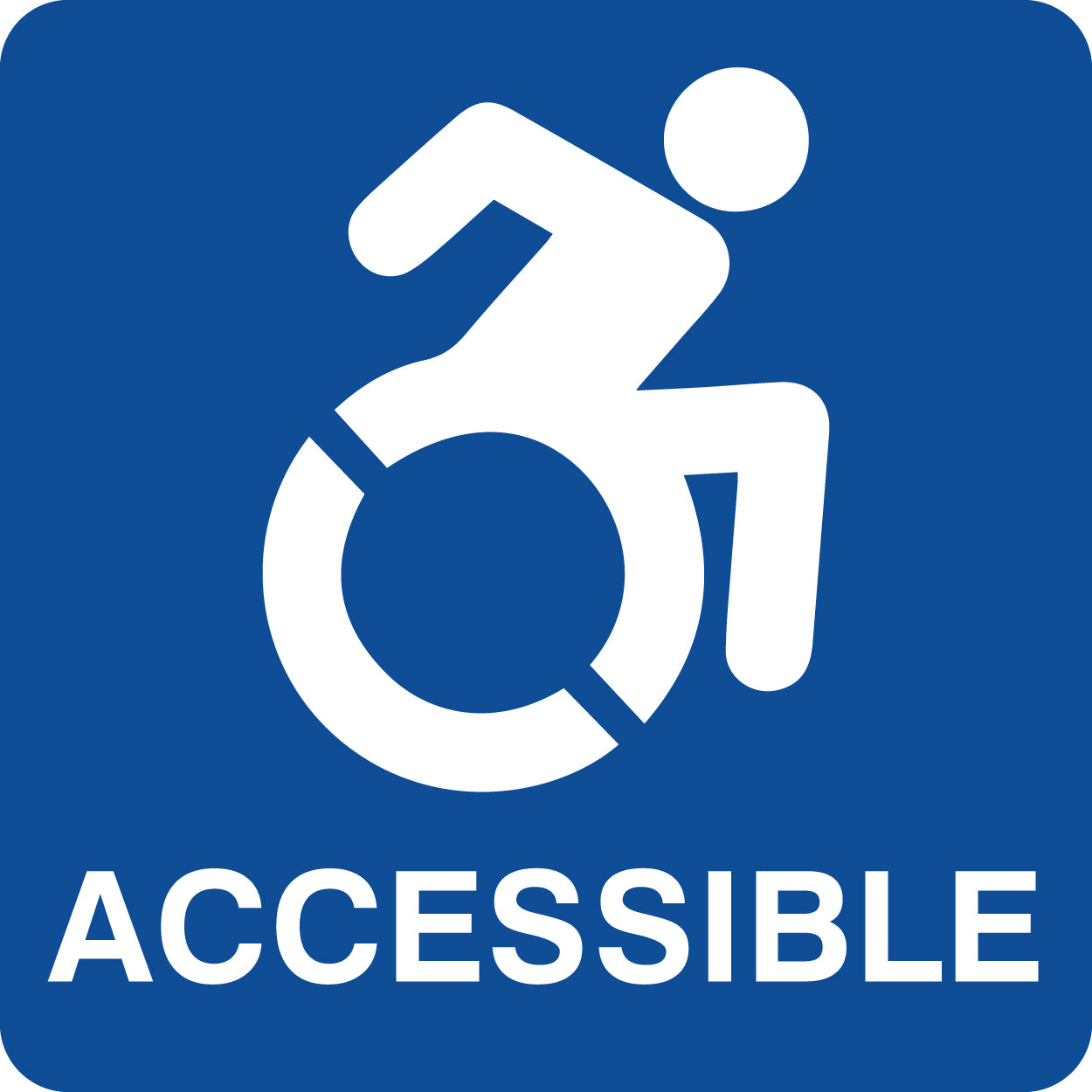
Ensure ADA compliance with this Handicap Access sign, designed to clearly identify accessible entrances and routes. Required for commercial and public buildings, this sign helps guide individuals with disabilities while meeting federal accessibility standards for visibility, placement, and readability.
Dimensions: 6” x 6”
Materials: Printed Adhesive Vinyl; Gloss or Matte Laminate
What This Sign is For: The ADA Handicap Access sign is used to identify accessible entrances, routes, and facilities within a building. It helps individuals with disabilities easily locate compliant paths of travel, including entrances, restrooms, elevators, and other accessible features.
Legal Requirement Explained: This sign is required under the Americans with Disabilities Act (ADA), specifically ADA Standards for Accessible Design, which mandate that buildings provide clear identification of accessible elements and routes.
When an accessible entrance or path is not immediately visible—or when multiple entrances exist—proper signage must be installed to direct individuals to the nearest accessible route or facility. This ensures equal access and usability for all occupants and visitors.
Who is Required to Post This Sign:
- Commercial buildings open to the public
- Retail stores, offices, and restaurants
- Multifamily residential buildings with public/common areas
- Government and institutional buildings
- Any facility required to comply with ADA accessibility standards
Where We Recommend This Sign Be Posted:
- At accessible building entrances
- At inaccessible entrances, directing users to the nearest accessible entrance
- Along accessible routes when direction is needed
- Near accessible restrooms, elevators, and parking areas
- At decision points where a user may need guidance to remain on an accessible path
Unacceptable Locations to Post This Sign:
- Hidden behind doors, walls, or architectural elements
- Obstructed by furniture, displays, or equipment
- Placed in areas where it is not visible from the approach path
- Installed in locations that may confuse users or misdirect accessible routes
- Used decoratively without accurately reflecting an accessible feature
Recommended Height / Installation Requirements:
- Mounted with the centerline typically between 48” and 60” above finished floor (AFF)
- Positioned for clear visibility from a standing and seated approach
- Must include the International Symbol of Accessibility (ISA)
- Designed with high contrast colors for visibility
- If tactile signage is required (interior applications), it must include raised characters and/or Braille per ADA standards
Disclaimer: The information provided above is intended for general guidance based on commonly referenced ADA standards and NYC compliance practices. Specific requirements may vary depending on building type, occupancy classification, and jurisdiction. It is recommended to consult with a licensed professional or the appropriate regulatory authority to ensure full compliance with all applicable laws and codes.
All
All
All
All


